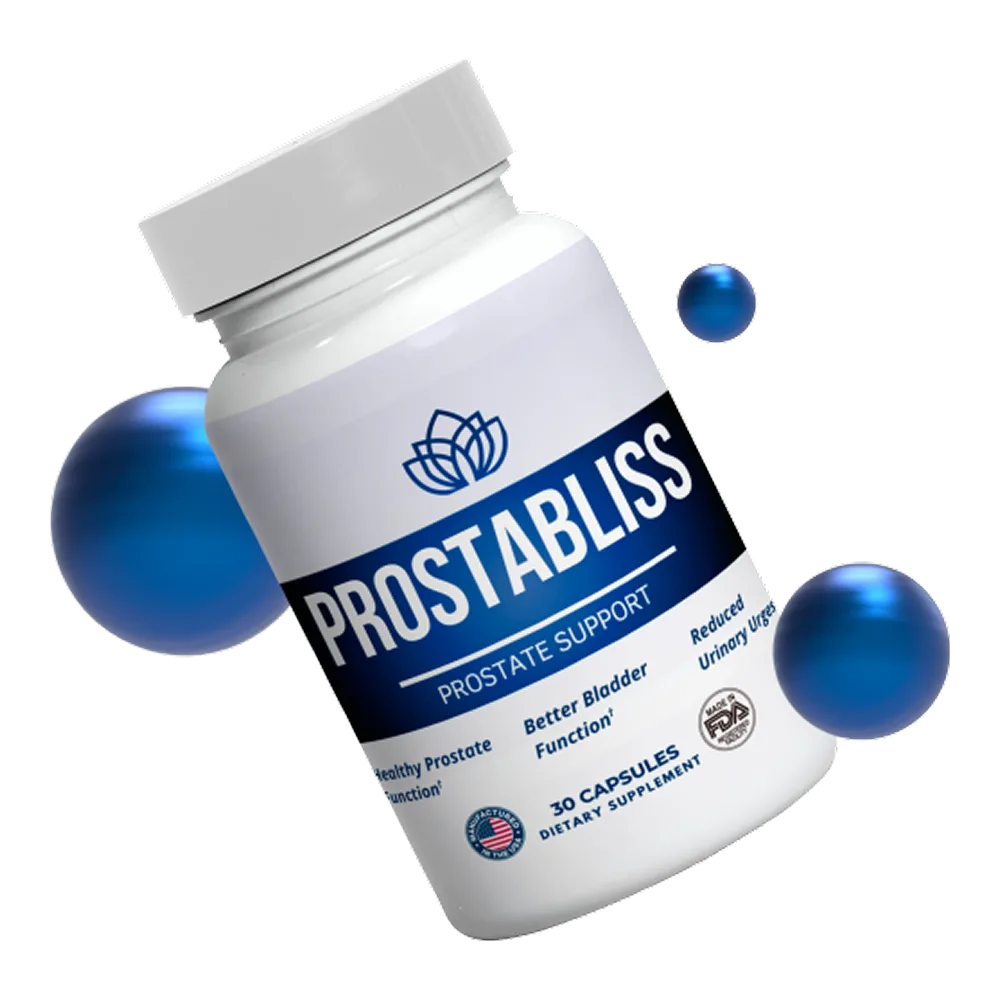
Struggling with prostate issues and looking for natural relief?
As men age, issues like Benign Prostatic Hyperplasia (BPH) become increasingly common, affecting millions worldwide. The symptoms – frequent urination, weak stream, and discomfort – can significantly impact quality of life, leading many to seek effective and sustainable solutions.
While medical treatments are available, a growing number of men are turning to natural approaches, exploring how diet, lifestyle, and targeted supplementation can support prostate health. This article delves into the most promising natural and effective strategies to manage BPH symptoms and promote overall urological wellness.
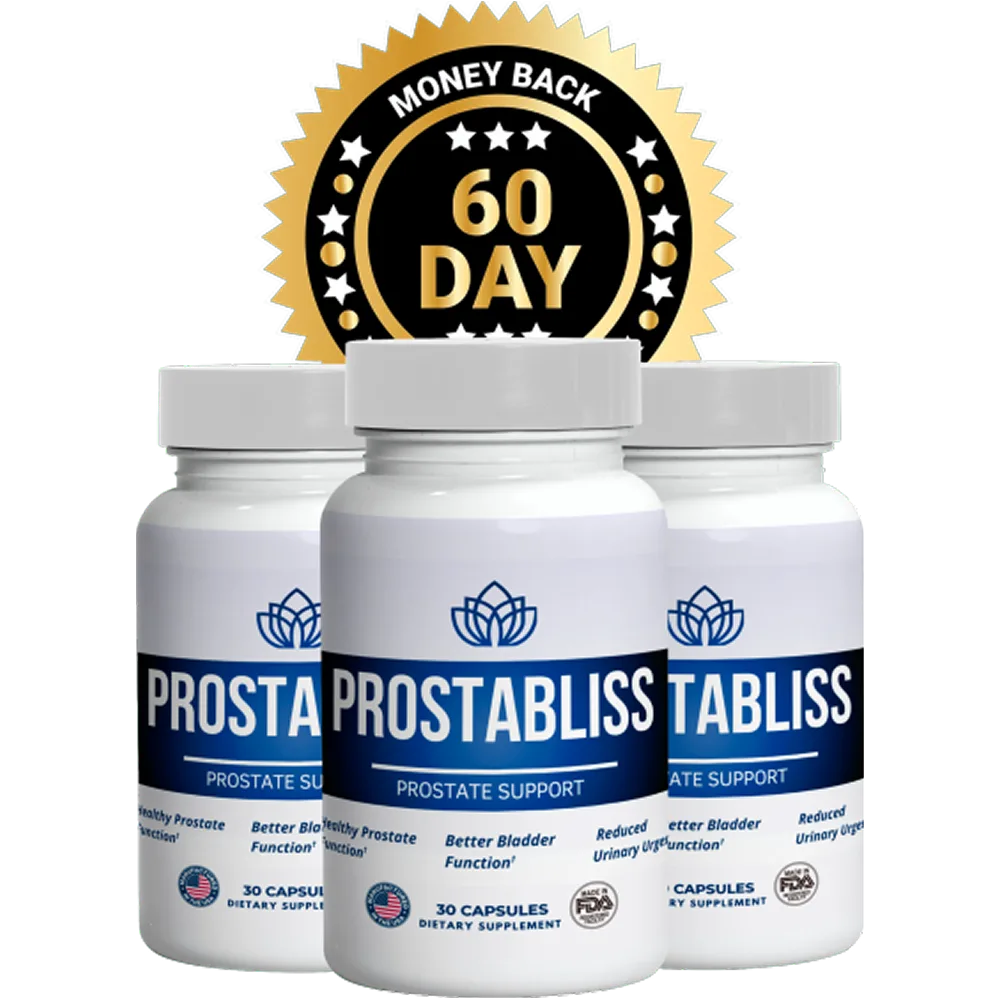
Understanding Benign Prostatic Hyperplasia (BPH)
Before we dive into natural strategies, it's crucial to understand what BPH is and how it impacts your health.
Benign Prostatic Hyperplasia, commonly known as an enlarged prostate, is a non-cancerous condition where the prostate gland grows larger. This growth can press on the urethra, the tube that carries urine from the bladder out of the body, leading to a variety of bothersome urinary symptoms. These symptoms often include frequent urination, especially at night (nocturia), a weak or interrupted urine stream, difficulty starting urination, the sensation of incomplete bladder emptying, and an urgent need to urinate.
While BPH is not prostate cancer, its symptoms can significantly reduce a man's quality of life. The exact cause of prostate enlargement is not fully understood, but it is believed to be linked to hormonal changes that occur as men age, particularly changes in testosterone and dihydrotestosterone (DHT) levels. Inflammation also plays a key role in the progression and severity of BPH symptoms. Understanding these underlying mechanisms is the first step toward developing effective natural management strategies.
💡 Key Takeaway
BPH is a common, non-cancerous condition in aging men, causing urinary symptoms due to prostate enlargement pressing on the urethra. Hormonal changes and inflammation are key contributing factors.
The Power of Diet: Foods for a Healthy Prostate
Your diet is one of the most powerful tools you have for supporting prostate health. What you eat can directly influence inflammation, hormone balance, and overall cellular health.
Antioxidant-Rich Fruits & Vegetables
Incorporating a wide array of colorful fruits and vegetables provides essential antioxidants that combat oxidative stress and inflammation, both of which are implicated in BPH progression. Think berries, leafy greens like spinach and kale, broccoli, and bell peppers. Lycopene, found abundantly in cooked tomatoes and watermelon, is particularly beneficial for prostate cells.
Omega-3 Fatty Acids
Found in fatty fish (salmon, mackerel, sardines), flaxseeds, chia seeds, and walnuts, omega-3s are renowned for their potent anti-inflammatory properties. Reducing systemic inflammation can directly alleviate BPH symptoms and promote healthier prostate tissue. Aim for at least two servings of fatty fish per week or incorporate plant-based sources daily.
Zinc-Rich Foods
Zinc is a critical mineral for prostate health, found in high concentrations in the prostate gland. It plays a role in immune function, hormone regulation, and cellular protection. Good dietary sources include oysters, lean beef, pumpkin seeds, and beans. A deficiency in zinc has been linked to prostate enlargement.
Green Tea
Rich in catechins, particularly epigallocatechin gallate (EGCG), green tea has powerful antioxidant and anti-inflammatory effects. Studies suggest that regular consumption of green tea may help reduce the risk of prostate issues and slow the progression of BPH. Consider replacing sugary drinks with unsweetened green tea.
Healthy Fats & Oils
Opt for healthy fats like olive oil, avocados, and nuts. These fats support overall cellular health and can help reduce inflammation. Avoid trans fats and excessive saturated fats found in processed foods and red meat, which can contribute to inflammation and poor prostate health.
Foods to Limit or Avoid for Optimal Prostate Health
Just as important as what you eat is what you choose to limit or avoid.
Certain foods can exacerbate inflammation and contribute to prostate issues. High consumption of red and processed meats has been linked to an increased risk of prostate problems due to their inflammatory compounds and saturated fat content. Similarly, dairy products, especially high-fat varieties, may contribute to higher levels of certain hormones that influence prostate growth. Limiting these can be beneficial.
Sugary drinks and refined carbohydrates can lead to insulin resistance and chronic inflammation, negatively impacting prostate health. Reducing your intake of sodas, pastries, and white bread is a wise choice. Furthermore, excessive consumption of caffeine and alcohol can irritate the bladder and worsen urinary symptoms associated with BPH, particularly nocturia. Moderation is key for these substances.
Lifestyle Adjustments for a Healthier Prostate
Regular Exercise
Physical activity helps maintain a healthy weight, which is crucial as obesity is a known risk factor for BPH. Exercise also improves circulation, reduces inflammation, and can positively impact hormone levels. Aim for at least 30 minutes of moderate-intensity exercise most days of the week.
Maintain a Healthy Weight
Excess body fat, particularly around the abdomen, can increase inflammation and alter hormone metabolism, contributing to prostate enlargement. Achieving and maintaining a healthy weight through diet and exercise is a cornerstone of prostate health management.
Stay Hydrated (Wisely)
Drinking enough water is essential for overall health, including flushing toxins from the body. However, men with BPH should be mindful of *when* they drink. Limiting fluids a few hours before bedtime can help reduce nocturia, while ensuring adequate intake throughout the day.
Stress Management
Chronic stress can contribute to inflammation and impact hormone balance, potentially worsening BPH symptoms. Practices like meditation, yoga, deep breathing exercises, and spending time in nature can help reduce stress levels and promote overall well-being.
Quit Smoking
Smoking is a significant risk factor for many health issues, including various prostate problems. Quitting smoking can dramatically improve overall health and may reduce the risk of prostate complications.
Regular Urination Habits
Don't hold it in! Urinating when you first feel the urge and trying to fully empty your bladder can prevent overstretching of the bladder and reduce the risk of urinary tract infections, which can aggravate BPH symptoms.
Targeted Supplement Strategies for Prostate Health
While diet and lifestyle form the foundation, certain natural supplements can provide targeted support for prostate health and help alleviate BPH symptoms. Always consult with your healthcare provider before adding new supplements to your regimen.
Many men find relief by incorporating specific herbal extracts, vitamins, and minerals known for their beneficial effects on the prostate. These supplements often work by reducing inflammation, modulating hormones, or supporting healthy urinary function. For a deeper dive into effective formulas, you might want to read our article on the best prostate formula for BPH.
Key Ingredients to Look For:
Saw Palmetto: This is perhaps the most well-known herbal remedy for BPH. Extracts from the fruit of the saw palmetto palm are thought to inhibit the enzyme 5-alpha reductase, which converts testosterone to dihydrotestosterone (DHT). DHT is a potent androgen that contributes to prostate growth. Saw palmetto may help reduce urinary symptoms like frequent urination and improve urine flow.
Beta-Sitosterol: A plant sterol found in many fruits, vegetables, nuts, and seeds. Beta-sitosterol has shown promise in improving urinary flow and reducing residual urine volume in men with BPH. It is believed to work by reducing inflammation and potentially altering prostate tissue growth. You can learn more about its benefits in a dedicated article about prostate supplements with Beta-Sitosterol.
Zinc: As mentioned in dietary strategies, zinc is crucial for prostate health. Supplementation can be beneficial for men with BPH who may have lower zinc levels. It supports immune function and plays a role in regulating prostate cell growth.
Lycopene: A powerful antioxidant found in red fruits and vegetables, particularly tomatoes. Lycopene helps protect prostate cells from oxidative damage and may reduce inflammation. Some research suggests it could play a role in reducing prostate enlargement.
Pygeum Africanum: An extract from the bark of the African plum tree, pygeum has been traditionally used to treat urinary problems. It contains fatty acids, sterols, and triterpenes that are believed to reduce inflammation, improve bladder elasticity, and decrease prostate cell growth.
Green Tea Extract: Concentrated forms of green tea's beneficial catechins, like EGCG, offer potent antioxidant and anti-inflammatory support. It may help reduce prostate inflammation and support healthy cell proliferation.
Stinging Nettle Root: Often used in combination with saw palmetto, stinging nettle root extract is thought to help relieve BPH symptoms by affecting hormones that influence prostate growth and by reducing inflammation. It may also help improve urinary flow.
Vitamin D: Emerging research suggests a link between low Vitamin D levels and prostate issues. Adequate Vitamin D is important for overall immune function and cellular health, including that of the prostate.
Other Anti-Inflammatory Compounds: Ingredients like curcumin (from turmeric), bromelain, and quercetin can help manage the inflammatory component of BPH, providing symptomatic relief. Some supplements even combine these with other ingredients to create a powerful natural prostate shrinking supplement.
When choosing a supplement, look for products that use standardized extracts and are third-party tested for purity and potency. Quality matters when it comes to supporting your health naturally.
Powerful Natural Ingredients for Prostate Support
Many effective prostate supplements, including ProstaBliss, harness the synergistic power of multiple ingredients. Here are some key natural components:

Zinc Gluconate
Role: Essential mineral crucial for prostate health, immune function, and hormone balance. Helps reduce prostate inflammation and supports healthy cell division.
15-30mg daily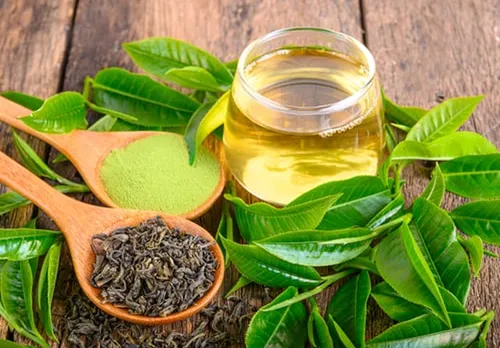
Green Tea Extract
Role: Rich in powerful antioxidants (catechins like EGCG) that combat oxidative stress and inflammation, potentially slowing prostate cell growth.
200-400mg daily
Alpha Lipoic Acid (ALA)
Role: A potent antioxidant that helps protect cells from damage and reduces inflammation, supporting overall prostate cellular health.
300-600mg daily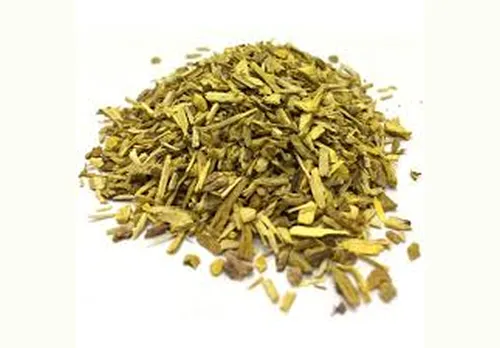
Berberine
Role: A bioactive compound with strong anti-inflammatory and antimicrobial properties, beneficial for reducing prostate inflammation and supporting urinary tract health.
500-1500mg daily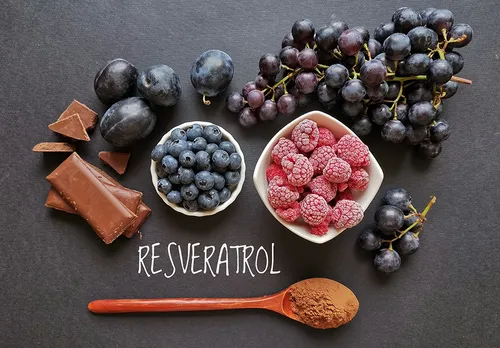
Cayenne Pepper Extract
Role: Contains capsaicin, which has anti-inflammatory and pain-relieving properties, potentially helping to alleviate discomfort associated with prostate issues.
30-120mg daily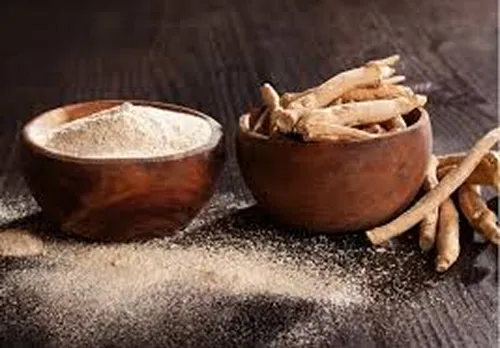
Ginseng Extract
Role: Known for its adaptogenic properties, ginseng can help reduce stress, boost immunity, and may have anti-inflammatory effects beneficial for prostate health.
200-400mg daily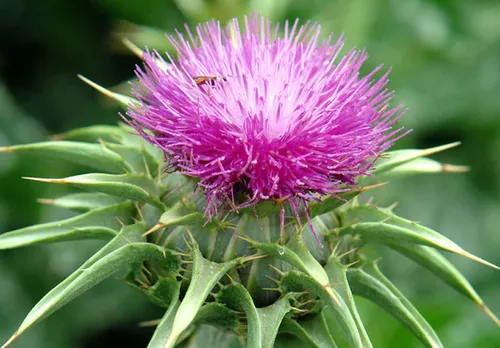
Milk Thistle Extract
Role: Contains silymarin, a powerful antioxidant and anti-inflammatory compound that supports liver health and may indirectly benefit prostate health by aiding detoxification.
200-400mg daily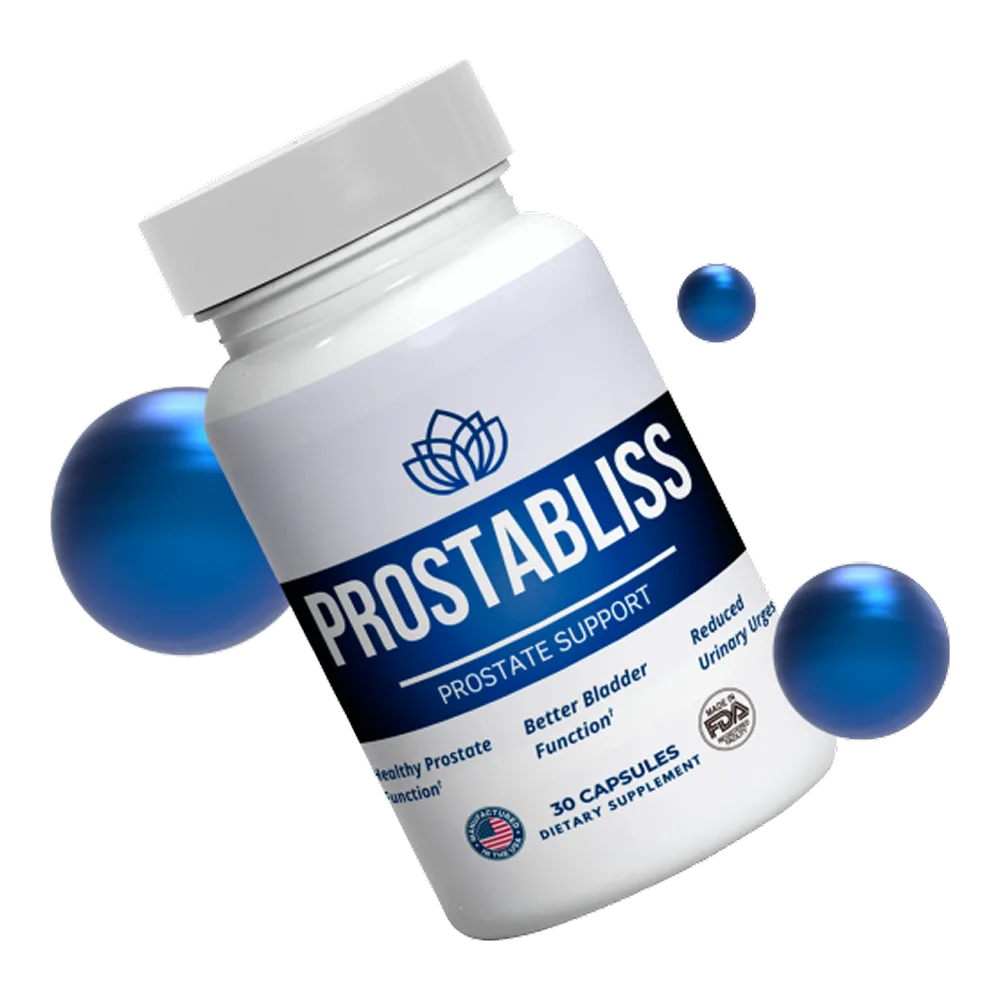
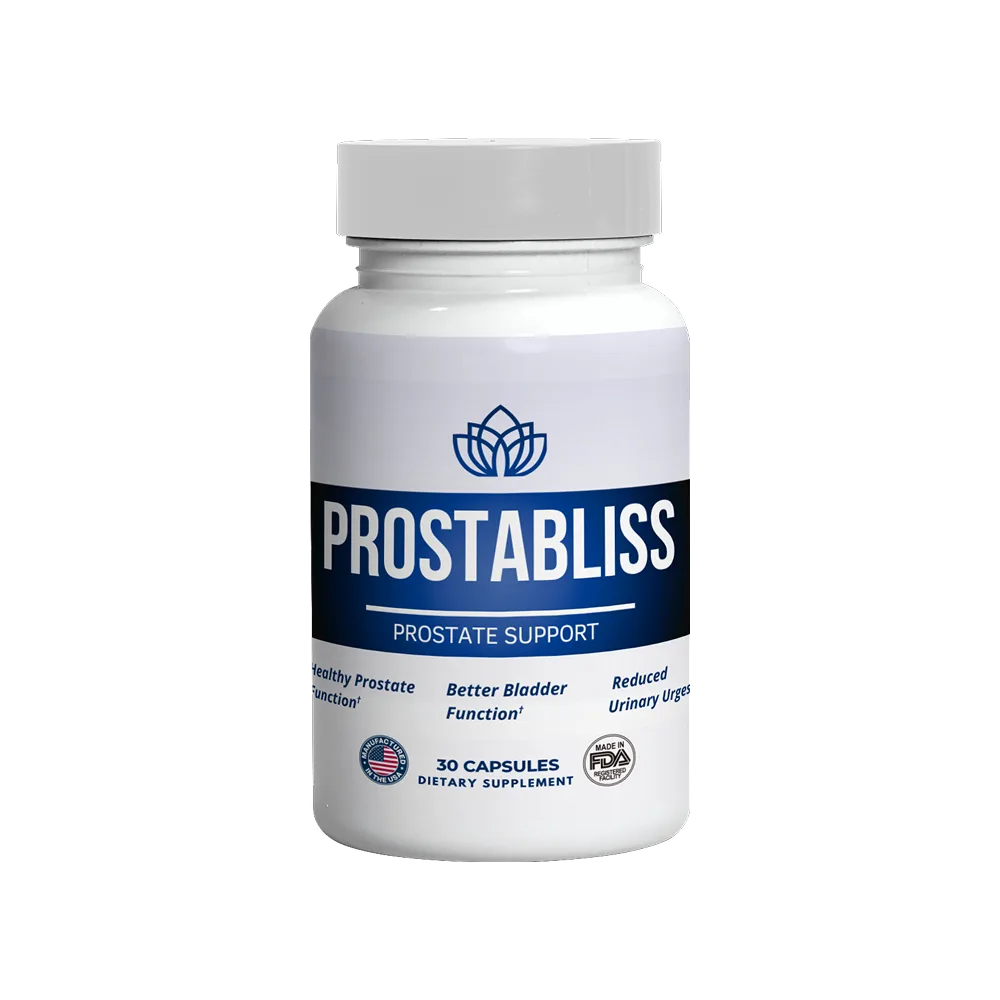
Take Control of Your Prostate Health with ProstaBliss
If you're seeking a natural, comprehensive solution to support your prostate health and alleviate the discomfort of BPH symptoms, ProstaBliss offers a carefully formulated blend of clinically-backed ingredients. Developed with scientific research in mind, ProstaBliss aims to address the root causes of prostate issues, offering relief and promoting long-term wellness.
- ✓ Supports healthy prostate size and function
- ✓ Reduces frequent urination and urgency
- ✓ Improves urine flow and bladder emptying
- ✓ Formulated with powerful natural antioxidants and anti-inflammatories
- ✓ Promotes restful sleep by reducing nighttime bathroom trips



What Our Customers Are Saying
"I was constantly waking up at night, sometimes 3-4 times. After two months with ProstaBliss, I'm down to one, sometimes zero trips! My sleep has drastically improved."
"The weak stream and constant urgency were really affecting my confidence. ProstaBliss has made a noticeable difference. I feel more in control and less worried about finding a restroom."
"I was skeptical about natural supplements, but my doctor suggested trying some alongside my diet changes. ProstaBliss delivered. My symptoms are milder, and I feel generally healthier."
Frequently Asked Questions
What are the primary natural ways to support prostate health?
+The primary natural ways include adopting a balanced diet rich in fruits, vegetables, and healthy fats, maintaining a regular exercise routine, managing stress, staying hydrated, and incorporating specific supplements known for prostate benefits.
Can diet really impact Benign Prostatic Hyperplasia (BPH) symptoms?
+Absolutely. Diet plays a significant role. Foods rich in antioxidants, omega-3 fatty acids, and zinc, while limiting red meat, processed foods, and excessive dairy, can help reduce inflammation and improve BPH symptoms.
Which supplements are most effective for natural prostate support?
+Key supplements often include Saw Palmetto, Beta-Sitosterol, Zinc, Lycopene, Pygeum, Green Tea Extract, and specific anti-inflammatory compounds like Alpha Lipoic Acid. Always consult a doctor before starting any new supplement.
How does lifestyle influence prostate health, beyond diet?
+Beyond diet, regular physical activity, maintaining a healthy weight, avoiding excessive alcohol and caffeine, and stress reduction techniques are crucial. These factors collectively reduce inflammation and improve overall urological function.
Is ProstaBliss a suitable natural option for prostate health?
+ProstaBliss is formulated with a blend of natural ingredients known for their potential prostate health benefits, such as Saw Palmetto, Beta-Sitosterol, and Zinc. It can be considered as part of a comprehensive natural strategy, but individual results vary.
When should I consult a doctor about my prostate symptoms?
+You should consult a doctor if you experience persistent urinary symptoms such as frequent urination, weak stream, difficulty starting or stopping urination, or pain. Early diagnosis and management are crucial for prostate health.
Related Articles